
Who this is for
- Designers and boutique labels selling handcrafted or limited-run pieces who want the site to look like the brand.
- Ethnic-wear and wedding-wear sellers whose shoppers buy by occasion, not by product type.
- Multi-vendor fashion marketplaces that must make a shipping model understandable.
- Established stores on a generic theme that want a redesign without losing search visibility.
What a fashion website has to get right
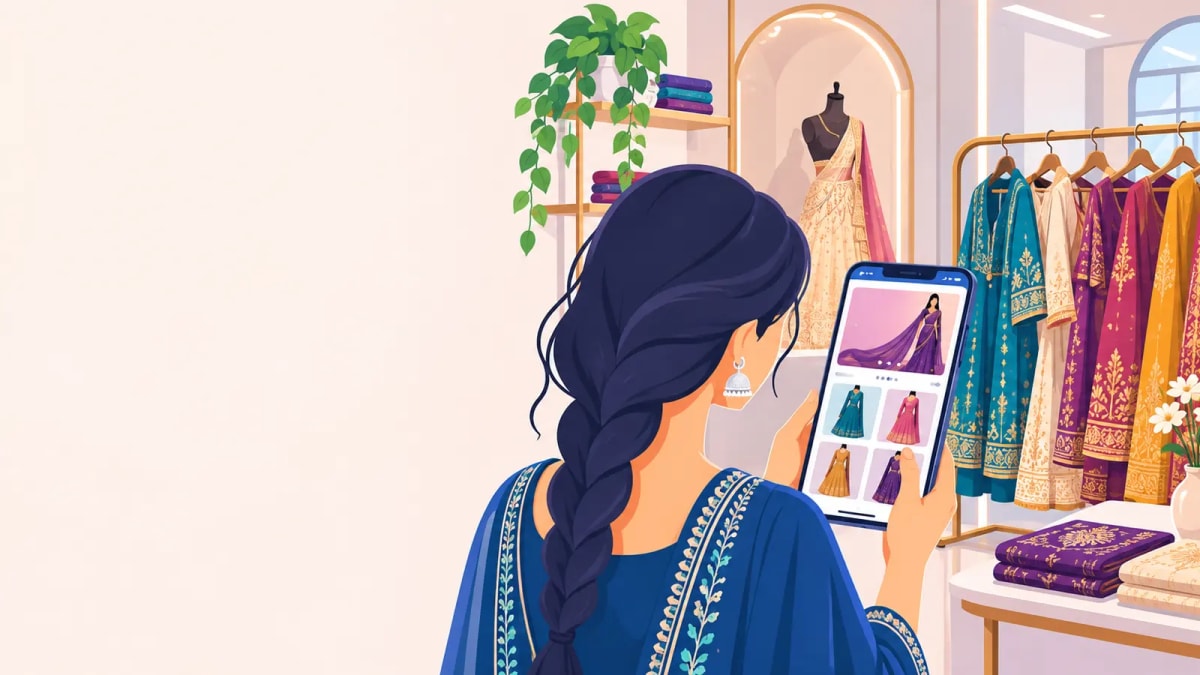
Collections organised the way shoppers think. Wedding shoppers do not browse "kurtas"; they browse haldi, mehendi and sangeet. Our TatVivah Trends marketplace uses occasion-based filtering as the main way to discover products. For a boutique, collections might be organised by festival, fabric or weave. The structure should come from how your customers shop, not from your stock list.
Product pages that carry detail. Artisan pieces need more than one photo. Multiple angles, close-ups of embroidery or mirror work, the material, care instructions and a line on how the piece is made all reduce the "will it look like this?" doubt. Kalamohini's tissue-silk pieces were built this way, with rich product pages and curated collections.
A look that matches the label. Colour palette, type and spacing should signal the price level. A premium label with generous white space and large photography feels different from a bargain marketplace. We design with your photography and brand colours rather than starting from a template skin.
Occasion and season ready. Fashion trade peaks around weddings and festivals. Collection landing pages and sale banners should be easy for your team to switch on and off without a developer, as we built into Mahhika's template system.
WhatsApp for questions a form cannot answer. Customisation, sizing and fabric questions happen in conversation. Kalamohini has WhatsApp contact on every product page for this reason.
Trust before checkout. Return window, shipping and cash-on-delivery rules stated before the buyer reaches the basket. On Vashtara Heaven, the multi-vendor dispatch model is explained in the FAQ so separate packages read as intentional.
Design decisions we make with you
- Photography direction. We tell you what shots the site needs: full length, detail, in motion, flat lay. We can design around what you have and list the gaps.
- Navigation. Fewer, clearer categories, with occasion or craft as a second layer.
- Mobile first. Fashion shoppers arrive from Instagram and WhatsApp on phones. Product grids, filters and size selectors are designed for thumbs.
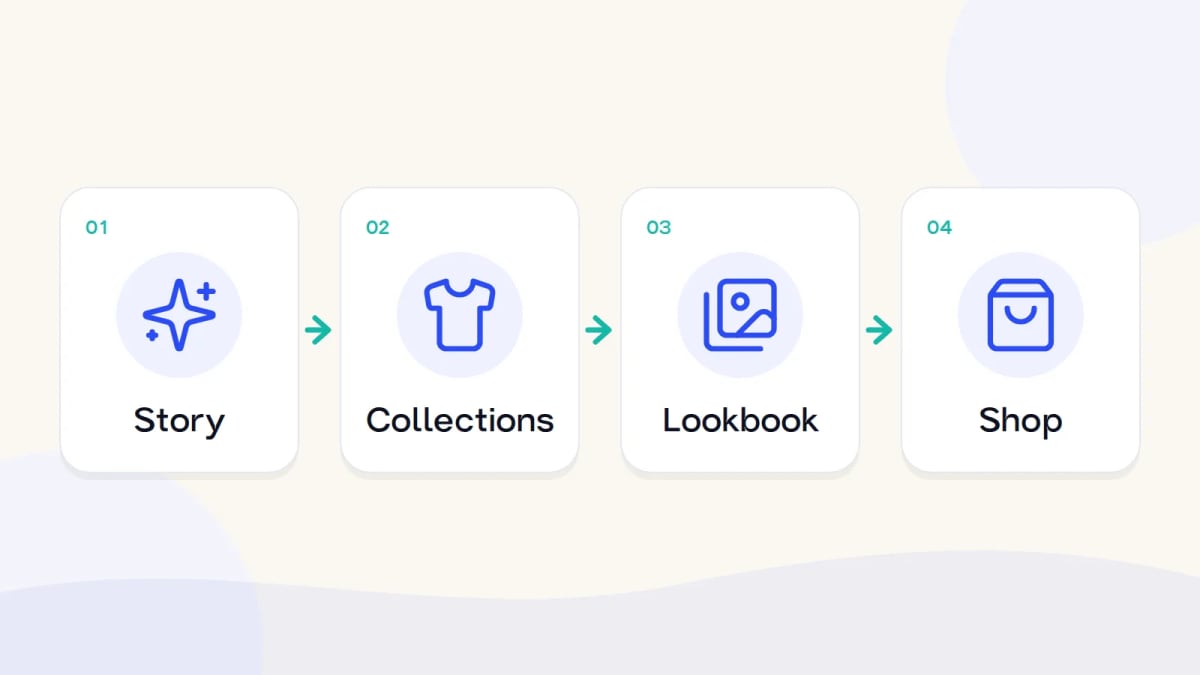
- Story pages. An about page that explains the label, the artisans and the process, with real photos of them where you have permission.
- Lookbook or campaign pages. Seasonal pages that tell a story and link to the products in it.
Fit, sizing and made-to-order content
Most returns in fashion start as a sizing doubt, and most of those doubts can be answered by content before anyone builds a feature. We plan three kinds of pages with you. A size guide per category, because a kurta, a blouse and a lehenga are measured differently, with centimetres and inches side by side and a note on how the garment is meant to fit. A "how to measure" page with simple diagrams for made-to-order or stitched pieces, so a customer abroad can send measurements without a call. And clear labels on each product for ready-to-wear, made-to-order and custom-tailored items, with the lead time stated, since a buyer planning for a wedding date needs to know whether the piece will arrive in time. Vashtara Heaven marks custom-tailored pieces as non-returnable at the product level, which is the kind of rule that belongs on the product page rather than in the terms.
Wholesale, stockist and press enquiries
A label that sells to boutiques, takes trade orders or gets press requests needs a separate path from the retail shopper. We add a short trade page that explains minimum order quantities, how samples work and who to contact, with an enquiry form that asks for the business name, city and the collections of interest. These enquiries go to a different inbox from customer service, so a stockist request does not sit behind delivery questions. If trade pricing should only be visible to approved buyers, that is a store feature, covered on our fashion ecommerce page.
What to build at each stage
| Stage | Typical situation | What we usually build first |
|---|---|---|
| New label | One collection, selling through Instagram and WhatsApp | Brand story, one lookbook, collection pages, WhatsApp on every product |
| Growing brand | Several collections a year, festive peaks, repeat buyers | Occasion collections, size guides, seasonal campaign pages your team switches on |
| Established brand | Wide range, stockists, press and international buyers | Trade page, "how to measure" guides, a full online store with variants and returns |
Speed with heavy photography
Fashion sites carry more photography than most, and a slow page on a phone loses the shopper who arrived from an Instagram post. We size every image for the screen it is shown on, serve modern formats, load images as the shopper scrolls rather than all at once, and keep third-party scripts to the ones you actually use. Before launch we test the home page, a collection page and a product page on a mid-range Android phone over mobile data, and fix what is slow before you go live.
How we build it
We use the platform that fits your catalogue and team. Our fashion work spans Shopify (Vashtara Heaven), WooCommerce (Kalamohini, Mahhika, Samaraha) and Next.js (TatVivah Trends). A brand with a few hundred pieces and a small team often suits WooCommerce or Shopify. A marketplace with multiple sellers and custom filtering is more likely to need Next.js. We state the stack and the reason in your written quote.
The steps: brief and brand review; site map and collection structure; design of home, collection and product templates; build; content entry for a first set of products; testing on common phones; launch with redirects from your old site; and a handover session for your team.
What your team can change without a developer
Banners, sale messages, collection order, featured products, story pages and product copy. Templates are built from reusable sections so a new festive collection page can be assembled from existing blocks.
Proof: five live fashion builds (direct)
- TatVivah Trends. Next.js marketplace for premium ethnic wedding wear with 3000+ products, occasion-based filtering, verified sellers, Razorpay payments and a 10-day returns policy. Case study.
- Kalamohini by Aditya. WooCommerce store for hand-crafted tissue-silk sets with mirror work; curated collections, detailed product pages and WhatsApp support. Case study.
- Vashtara Heaven. Shopify multi-vendor kidswear marketplace with a Girls/Boys structure, a stated dispatch model, a free-shipping banner and COD. Case study.
- Mahhika. WooCommerce wedding fashion store with bridal and festive collections, filtering, a wishlist and comparison tools, and a promotional offer system. Case study.
- Samaraha. WooCommerce store for silk sarees with 25+ SKUs, silk-type filtering, comparison and member pricing. Case study.
None of the case studies claims a sales uplift, and we do not either.
Redesigning an existing fashion store without losing visibility
Many labels come to us with a store that already has customers and search traffic. A redesign should not throw that away. Before changing anything we list the pages that bring visitors and orders today: collection pages, popular products and any blog or lookbook pages. The new structure keeps those addresses where possible, and where an address has to change we set a redirect to its closest new equivalent. After launch we check the old links, the sitemap and the pages' titles so that nothing important disappears quietly.
What we ask you to prepare
- Your logo files, brand colours and fonts, if you have them.
- Product photographs: at least a front view and a detail view for each piece, and a lifestyle shot for hero collections.
- Fabric, size and care information for each product.
- Your shipping, return and exchange rules in plain language.
- The story of the label: who makes the pieces, where and how.
If any of this is missing, we tell you what to commission before launch rather than filling gaps with stock imagery that would weaken the brand.
Quote and terms
We do not publish prices, because a one-collection label and a brand with seasonal campaigns need different builds. Send your collections, photography status and whether you sell online yet, and you get a written quote within one working day, with milestone approvals and a 50% advance to start.
Request a quote
Message us on WhatsApp at +91 73482 28167 with your label and catalogue, and you get a fixed written quote within one working day.
Case studies
Case study · E-Commerce / Wedding Fashion
TatVivah Trends
Premium ethnic wedding wear marketplace with 3000+ products, verified sellers, and occasion-based filtering.
Read the TatVivah Trends case studyCase study · E-Commerce / Artisan Fashion
Kalamohini by Aditya
Hand-crafted tissue-silk sets with intricate mirror-work — premium artisan ethnic wear store.
Read the Kalamohini by Aditya case studyCase study · E-Commerce / Wedding Fashion
Mahhika
Indian wedding fashion e-commerce platform with premium saree and ethnic wear collections.
Read the Mahhika case studyCase study · E-Commerce / Textiles
Samaraha
Sophisticated e-commerce platform for premium traditional silk sarees with advanced filtering and secure checkout.
Read the Samaraha case studyCase study · E-Commerce / Kidswear
Vashtara Heaven
Multi-vendor kidswear marketplace on Shopify — denim co-ords and printed sets for girls and boys, dispatched direct from each designer.
Read the Vashtara Heaven case study
Frequently asked questions
Do we need to sell online, or can we start with a catalogue site?
Either. A brand site with collections and WhatsApp enquiries is a valid first step, and a shop can be added later.
Which platform is best for a fashion label?
It depends on catalogue size, team and seller model. We have built on Shopify, WooCommerce and Next.js and recommend one in the quote.
Can shoppers filter by occasion?
Yes. TatVivah Trends is built around occasion filters.
Can we show a made-to-order piece differently?
Yes. Vashtara Heaven marks custom-tailored pieces as non-returnable at product level, as an example of product-level rules.
Will you redesign our current store?
Yes, and we set redirects so existing product links keep working.
Can we run festive sales ourselves?
Yes. Sale banners and offer displays are built to be switched on by your team.
Do you take the photographs?
No. We advise what is needed and design around your images.
Do you guarantee more sales?
No. We build the site; results depend on your product, pricing and marketing.