
Who this is for
- Independent agents building a name in one or two localities.
- Small brokerages with several agents and a shared list of properties.
- Rental specialists managing landlords and tenants.
- Commercial brokers placing offices, shops and warehouses.
What an agent's website needs
Neighbourhood expertise. Agents sell knowledge of a place: which streets flood, which schools are near, which societies have parking, what rent is realistic. A well-written page per locality that you actually know is the most valuable asset on the site. We help structure it, you supply the facts, and we do not publish generic content.
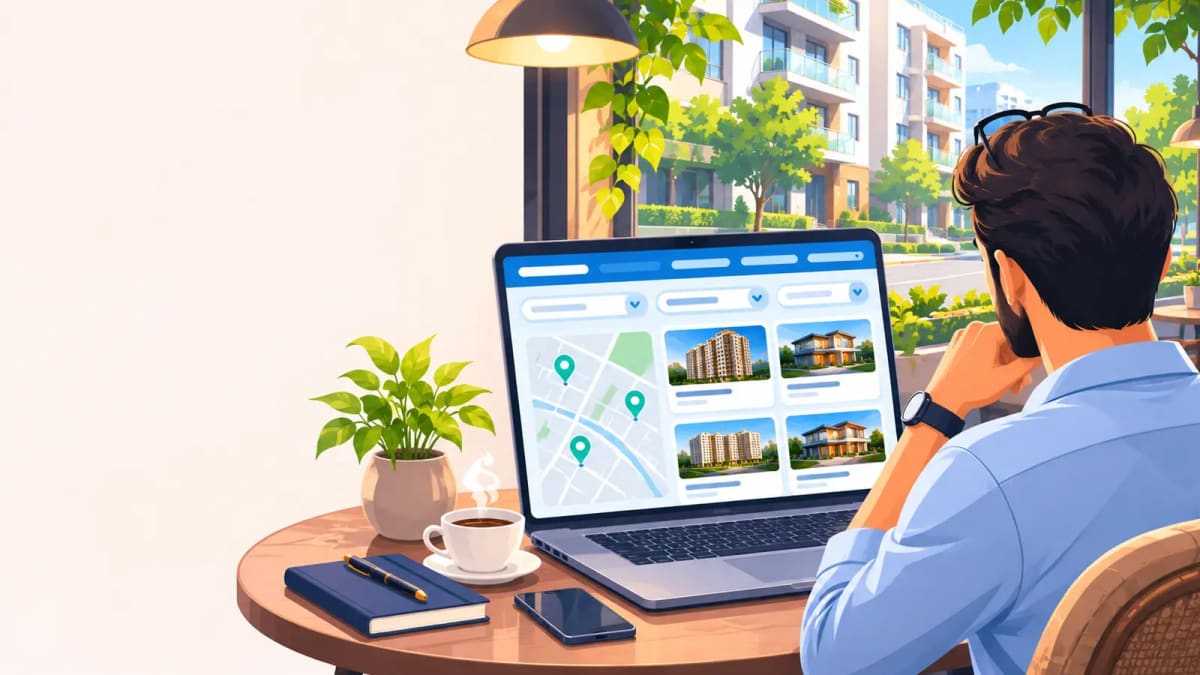
Listings with a clear workflow. Each property has a page with photographs, area, floor, furnishing, availability and how to book a visit. We design a listing template that you can fill in on a phone in five minutes after visiting the property. A sold or let property can stay as an archive entry that shows your track record.
RERA registration. Under India's Real Estate (Regulation and Development) Act, 2016, section 9 requires a real estate agent who facilitates the sale of property in a registered project to register with the authority, and the Act expects the agent's registration number to be quoted in every sale they facilitate. Section 10 sets the agent's functions, including not facilitating the sale of unregistered projects. We show your registration number prominently if you hold one. State rules on forms, validity and penalties differ, so please confirm what applies to you with your state authority or a lawyer.
Separate paths for buyers, sellers and landlords. A buyer asks for a budget and locality. A seller asks for a valuation conversation. A landlord asks about tenant screening. Each gets its own page and form, because one generic contact form helps none of them.
Your own track record. Number of properties sold or let, years active and localities served, stated only as you can document. A short profile of each agent with a photograph and areas of focus.
Client reviews. Real reviews with permission, ideally linked to a source like your Google profile.
Lead handling. Enquiries go to the right agent, tagged by locality and type. A WhatsApp button where clients prefer it.
Which agent website fits your business
| Agency type | Listings at a time | What clients judge you on | Pages we start with |
|---|---|---|---|
| Independent agent in one or two localities | 5–30 | Local knowledge and personal trust | Profile, locality guides, current listings, seller valuation form |
| Small brokerage with several agents | 30–200 | Range of stock, response speed, agent profiles | Listings with filters, agent pages, buyer, seller and landlord routes |
| Rental and property-management specialist | Changing every week | Tenant screening, landlord reporting, how disputes are handled | Landlord services, tenant process, available rentals, maintenance request form |
| Commercial broker | Offices, shops, warehouses | Market knowledge, specifications, deal record | Property type pages, requirement form for occupiers, landlord listing form |
| NRI-focused or resale specialist | Selective | Documentation support and remote handling | How remote deals work, document checklist, video-viewing request |
Anatomy of a listing page clients forward
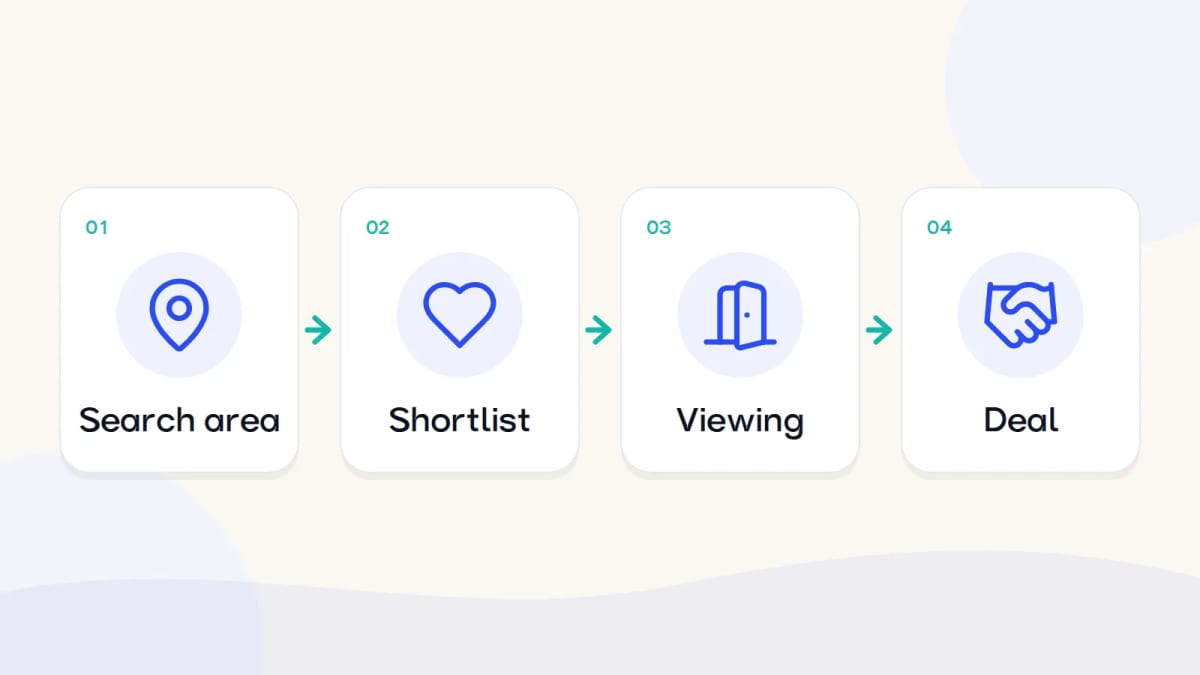
A client who likes a property sends the link to a spouse or parent before calling back. The page that wins that moment has the facts in the first screen: locality, configuration, carpet area as documented, floor, furnishing, rent or price if you choose to show it, and availability date. Below come eight to fifteen well-lit photographs in a sensible order, starting with the living room and ending with the building entrance, then a short paragraph in your words on what makes the property worth a visit. A map pin, the nearest landmarks you have checked and a "book a viewing" button close the page. We add the RERA registration of the project where it applies and your own agent registration in the footer.
Agent profiles that earn trust
Clients choose an agent, not an agency logo. Each agent gets a profile with a real photograph, the localities and property types they focus on, languages spoken, years active as you can document them and a direct WhatsApp button. Where you have permission, we add reviews that name the agent. A profile like this is what a seller reads before agreeing to a listing meeting, and it is the link an agent can send to a stranger who asks, "Who are you?"
Commercial property needs its own pages
An occupier looking for an office or a shop asks different questions from a family buying a flat: carpet area per floor, power load, parking, signage rights, fit-out condition and lease terms. If you broker commercial property, we give it a separate section with a requirement form that captures area, budget band, preferred locality and move-in date, so your commercial desk gets a usable brief.
Pages for sellers and landlords
Most agent sites are written for buyers and forget the people who bring the stock. A seller wants to know how you will price the property, where you will advertise it, how viewings are handled and how often you will report back. A landlord wants to know how tenants are screened, who holds the keys, what happens when a tenant leaves and what you charge, if you choose to say. We write these pages from the way you actually work and give each a short form that asks for the property's locality, type and timeline. For many agents, these two pages bring in more business than the listings do.
Rentals move faster than sales
Rental stock in a busy city can change in days. A listing that is let but still on the site wastes a viewing and annoys the client. We give agents a one-tap "let" or "sold" switch that moves the listing to the archive, and an optional "available from" date that hides a listing automatically once it passes. A smaller, accurate set of listings builds more trust than a long list in which half the homes are gone.
What decides the cost
The quote depends on how many localities you want guides for, whether listings are added by one person or by several agents with their own logins, whether you need filters and a map search or a simple list, how many languages the site carries, whether enquiries go into a CRM you already use, and whether clients need saved searches or alerts. We split the quote into parts so you can launch with the essentials and add the rest when listings grow.
How we build it
- Planning. We list localities, property types, the agents and how enquiries come in and are followed up today.
- Content. You supply neighbourhood notes and listings; we structure and edit and write the practical parts such as how a viewing works.
- Design. Clean and image-led, with filters for locality, type and budget, quick on a mobile.
- Build. WordPress with a custom theme is the usual route, with a simple property post type so your agents can add a listing quickly. Next.js suits a larger, custom property search. The stack is stated in the quote.
- Forms and routing. Buyer, seller and landlord forms to the right inbox, with a spreadsheet copy.
- Testing and launch. Listing upload on a phone, filter behaviour, form delivery and the Google Business Profile link.
Local search
Agents compete locally. We connect a Google Business Profile to the site, add local business markup and write locality pages for the areas you serve, keeping name, address and phone details consistent. Reviews you collect after each deal, with the client's permission, strengthen both the profile and the site. We do not promise positions.
Proof: closest real work (adjacent)
We have no real estate case study. The nearest work is labelled adjacent.
Cleanship is a Next.js site for a marine cleaning company with a landing page for each service at each port, 310 pages in total, each with its own facts and a quote form built for vessel, port and window. It is a marine contractor, not an agent. Read the case study.
The Grafftee is a Next.js HR platform with service modules, FAQs and a direct demo-booking system. It is an HR business, not a property one. Read the case study.
Mistakes we see on agent sites
- A listing grid scraped from a portal, which duplicates other people's content.
- A "Why choose us" paragraph that could belong to any agent in the country.
- No RERA number, or one placed where nobody sees it.
- Property photographs shot in poor light, at odd angles.
- A contact form that asks buyers and sellers the same questions.
Using the site in your daily work
A good agent site is not only a shop window; it is a tool you use with clients. After a viewing, you can send a link to the property page and to the locality page, so the client reads on their own time. During a listing pitch, you can show a seller your record of let and sold properties and your reviews. We design with these moments in mind: short, shareable URLs, pages that read well when opened from a WhatsApp message, and a profile page you can be proud to send to a stranger.
Quote and terms
We publish no prices. Share your localities and a fixed written quote follows within one working day. Milestone approvals apply with a 50% advance to start, and an agent site normally takes 3–5 weeks from content sign-off.
Request a quote
Message us on WhatsApp at +91 73482 28167 with your localities, property types and how clients reach you today, and you get a fixed written quote within one working day.
Case studies
Adjacent work · another industry
Cleanship
Marine cleaning company registered in Ajman Free Zone — a Next.js site with a landing page for every service at every port it covers across the UAE, India, the Gulf and West Africa.
Read the Cleanship case studyAdjacent work · another industry
The Grafftee
Comprehensive HR & talent acquisition platform for India's leading recruitment and workforce solutions company.
Read the The Grafftee case study
Frequently asked questions
Have you built a real estate website?
No. We label our location-page and lead-form work as adjacent.
Can we pull listings from portals?
We recommend your own listings with your own photographs. Pulling content from portals may breach their terms and duplicates other people's text.
Can you add our RERA registration number?
Yes, as you provide it. We do not give legal advice.
Can clients save properties or set alerts?
That is a custom feature, quoted separately.
Can several agents share one site?
Yes, each with a profile and tagged enquiries.
Do you write the locality pages?
We structure and edit them from your knowledge. We do not invent local facts.
Do you promise leads or rankings?
No.
Can a real estate agent have their own website?
Yes, and it works alongside portal listings rather than replacing them. Your own site holds your profile, locality knowledge, listings and reviews, and a typical agent site takes about 3–5 weeks from content sign-off.